
The autobattler genre, spawned in 2019 under the Dota Auto Chess mod developed by Drodo Studio, was a refreshing and fun new experience that would eventually take the industry by storm. Auto Chess was such a success with over 9 million subscribers and 300,000 active daily players, that Valve flew in Drodo Studio to discuss the possibility of hiring them to create an official game. After Drodo Studio declined, it was a race to develop a full fledged game.
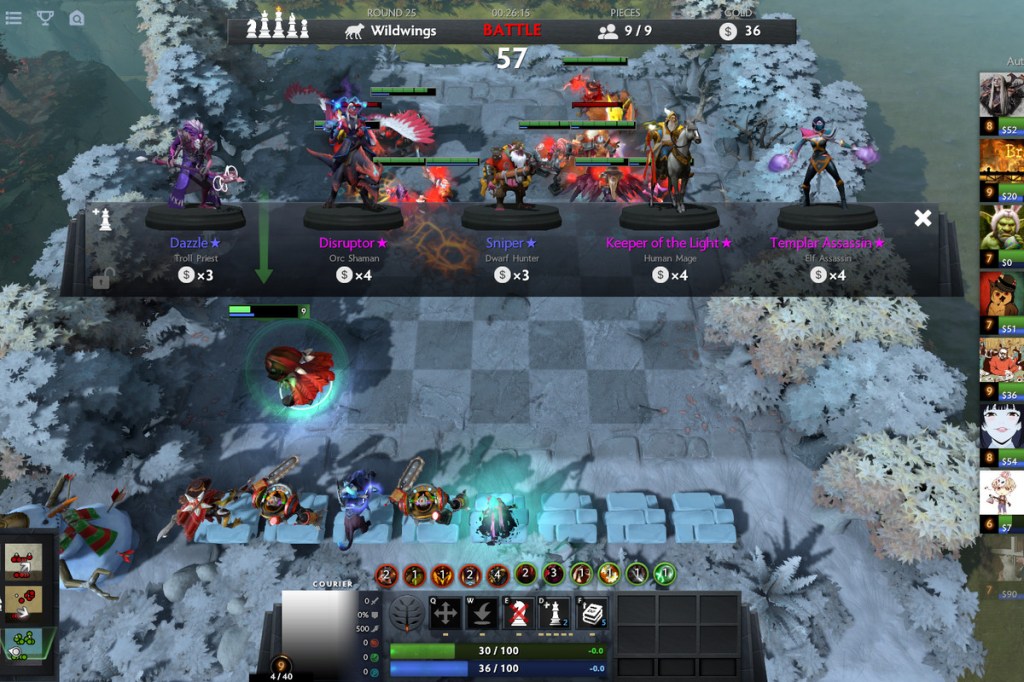
Drodo Studio was the first to launch a standalone game based on Auto Chess, creating their own characters and dropping all ties to Dota. The main difference, however, was that Drodo Studio released their game for Android and iOS instead. The assumption, I believe, was that the mod was fine for the PC market without any competitors to worry about. With the mobile market being incredibly lucrative, it made sense that the creators of the genre wanted to be the first to the market. They would eventually release a PC version of the game, but it didn’t capture quite as big of an audience.
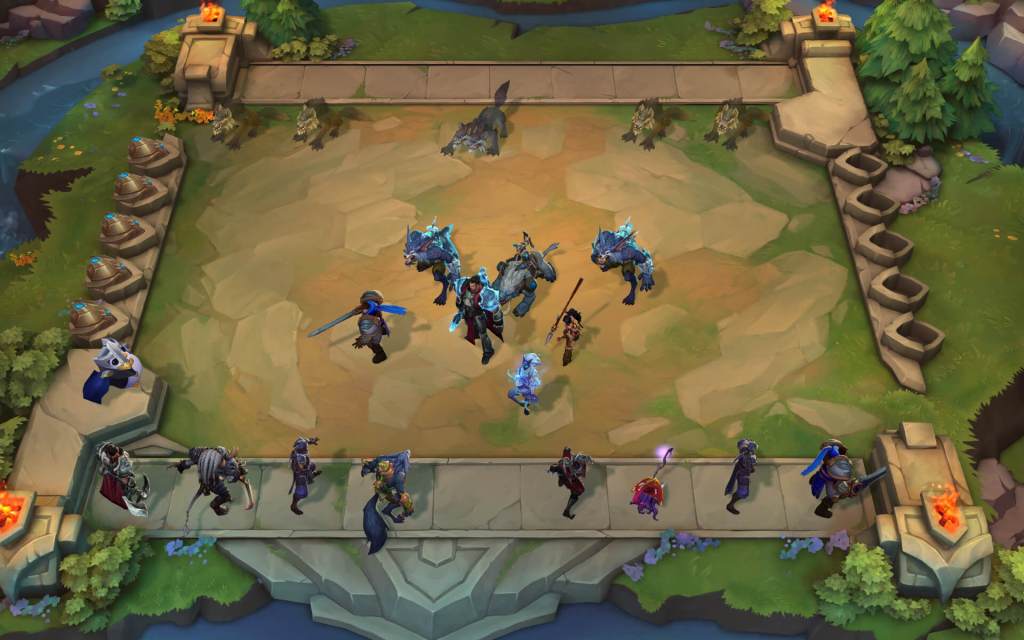
Riot Games learned from their previous mistake delaying their TCG, allowing Blizzard to capture the market with Hearthstone. They released Teamfight Tactics in June, catching many people by surprise. It was unprecedented and a massive success. Riot beat Valve to the PC market, but sacrificed quality to get it shipped so quickly. It was built on top of the League of Legends engine and client, leading to massive log-in queues for both sets of players. There were still a lot of changes being made to the game and the polish was lacking, but it was ultimately worth it. Being first to market meant players flocked to try it, and being built into the League of Legends client meant that it was much easier to convince their existing playerbase to try a new “game mode” built with a roster of familiar characters. With the release of a mobile version, it solidified TFT into the Riot ecosystem and remains the biggest autobattler for the PC.
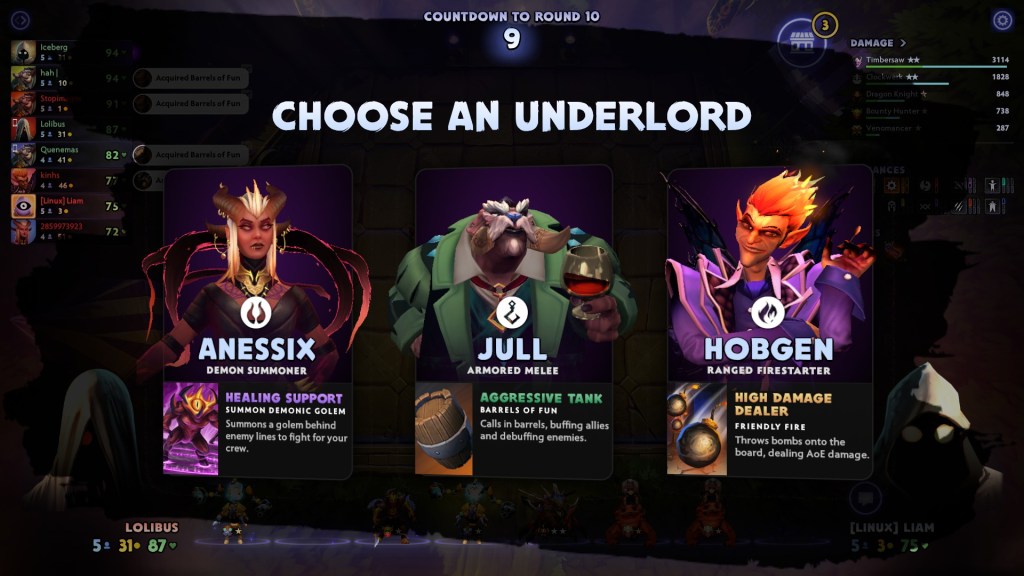
Valve was not far off with their release of Dota Underlords. Although much more polished, Dota Underlords suffered from glaring issues and made some changes that didn’t sit well with the community. Being late to the PC market hurt its appeal from players, as casuals had already migrated to Teamfight Tactics. Additionally, the aesthetic was dark and gritty, which I personally feel doesn’t appeal to the masses. Both Riot and Drodo have a much more bright and fun aesthetic, and have both seen much greater success. From 200,000 players at launch, it now sits at 2,000 average players. The massive amount of player drop-off led to Valve pulling the plug on all future development of Dota Underlords.
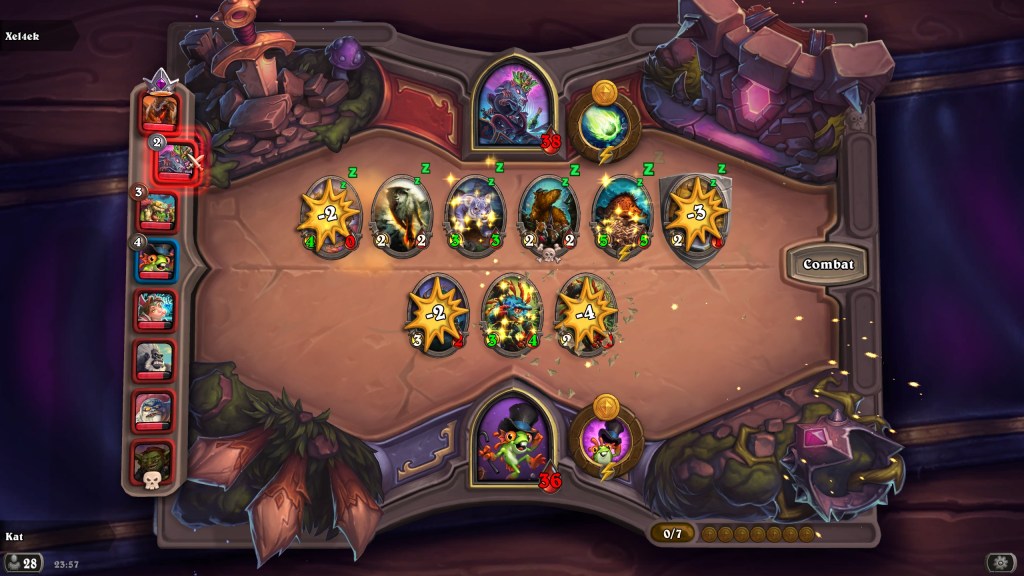
Late to the party was Blizzard’s entry into the genre, Hearthstone Battlegrounds. Similarly to Riot, Blizzard developed the autobattler using Hearthstone as it’s base. The main difference, however, was that Battlegrounds plays differently than all other autobattlers: it doesn’t use a chess grid, it borrows hero power mechanics, it handles game economy differently, and the combat is more simulated. It leaned heavier into Hearthstone and honestly, did it pretty well. It has a solid player base, benefiting similarly to Riot from having the game exist alongside their more popular counterpart.
The Strong Survive
Even though most of the games saw great initial success, I would say Teamfight Tactics has come out the winner. Riot made a lot of great decisions when approaching TFT’s development and release.
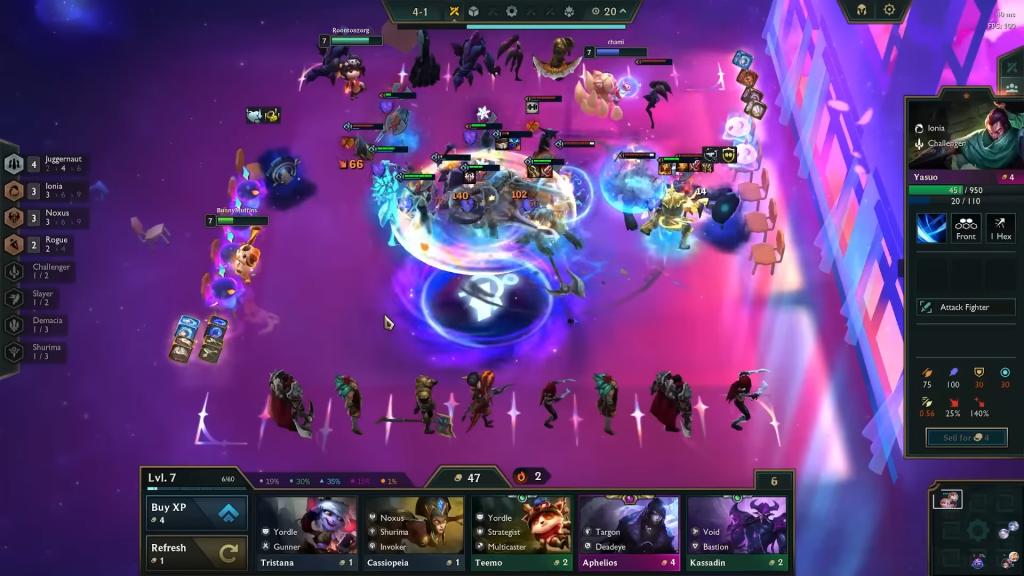
I’d condense it down to the following:
- Smart reuse of assets
- Addition of new gameplay systems
- Outside progression systems
- Player customization
- Use of social channels
As mentioned earlier, TFT is built on top of League of Legends. This means that all the art, animations, visuals effects, sounds, and ability design used to create champions for League of Legends can easily be retooled to fit in TFT. This cuts down on development time and allows for shorter patch cycles. Additionally, years ago Riot decided that champion skins for League would follow a theme and the concept of single skin releases would be reserved for things like charity or fundraising. One of the pillars of autobattlers is the concept of classes or traits, shared among a group of characters. Since League skins release in batches, it means creating classes or traits is much easier as they are visually and thematically similar. The skins development cycle for League also begins months before they see release, which means the TFT team can begin ideation of traits and classes to tie in the themes early.
Where Do We Go From Here?
There haven’t been many new entries to the genre since, but that doesn’t mean innovation is slowing down. Even if Valve has paused all development of Underlords, Riot seem to be trying new things with every set release. Some of their findings have become permanent additions, such as the “Augment” mechanic and the “Double-Up” team mode. Every set tends to introduce a new mechanic or system, and although it isn’t guaranteed to become a permanent fixture, I think it’s invaluable to try new things in such a young genre.
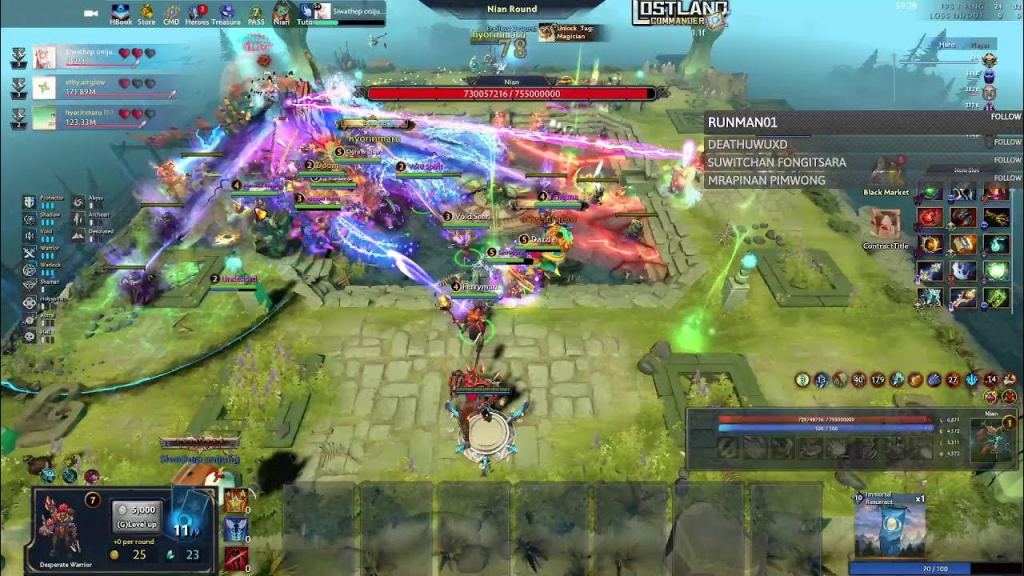
There have been a handful of mods that have taken the essence of autobattlers and tooled it for a somewhat different experience. In a similar way that FPS games have evolved to be much more than just aiming and clicking on heads, some mods have taken the management aspects core to the genre and repurposed it for different experiences. Some are mixing RPG and autobattler elements, while others are focusing on PvE experiences. I’ve even come across one that implemented “idle-clicker” and “gacha” (or gambling) mechanics.
While the genre seems to be running cold compared to its initial peak, especially with few AA or AAA developers in the space, I have high hopes that there’s still much more left to discover. Riot have the means to continue TFT development for the foreseeable future, and the mod scene is actively exploring different combinations of mechanics and concepts. What I can say for certain is that I’m still enjoying the core experience and look forward to what the future has in store.

 Eiffel's Workshop